
TO: Rafici,
FROM: Miss Mumbi.
Nairobi, Kenya.
Dear Rafici,
I have had alot on my mind recently and thought to share with you. Traversing the Internet today, you are assaulted by all forms of discourse, everyone has something to say. Most notably, recently, the air has been suffocating with talks of ‘Love Island’ and ‘the Polygamist’. We laugh at the villa recouplings, roll our eyes at the chaos, pick our favourite couples, and curse the inevitable homewrecker. It all feels wonderfully modern. But is it?
Women have been fighting over exclusive love for centuries.Long before feminism had a name. Long before women could vote.Long before anyone thought equality belonged inside a marriage
It’s funny when you think about it. Human history isn’t exactly built on monogamy. Chinese emperors had harems. Ottoman sultans had harems. European kings had wives, mistresses and throngs of illegitimate children . Across much of Africa, a successful man’s wealth was often measured partly by the number of wives, children and cattle he had. Your grandmother might tell you stories about your grandfather’s co-wives with the same casualness she’d use to describe the weather. History accepted that one man could belong to many women and a woman belongs only to one man.
And yet somewhere between our grandmothers’ generation and ours, something extraordinary happened. Perhaps because of Christianity or the development of some lobe in their brain women stopped seeing monogamy as a luxury. They decided it was a right owed to them and started treating it as the minimum requirement. Nobody organised a march. There wasn’t a constitutional amendment. There wasn’t even a catchy slogan. It just… happened.
The suffragettes starved themselves so governments would listen. Women across the world chained themselves to gates, endured prison, accepted beatings, and in some cases even set their own bodies alight to make society acknowledge their suffering. Those women understood that power had an address. The quieter revolution did not. Women became soldiers, fighters and murderers, of their volition, to punish or win their husbands. A blood thirsty fight for the recognition of their sovereignty over their men. A complete tragedy.
The tragedy however is not that women resisted. The tragedy is where they pointed that resistance. At another woman. At her children. At the “small house.” Our folklore is littered with wicked stepmothers. Myths and songs of jealous co-wives. Fairy tales have queens poisoning rivals. Headlines of love affairs gone sour, yet one clear message became resounding: “I refuse to share.” And in their refusal, a history is paved with blood. Blood of women and their children. Women killed, for their love, their man. It was more than just about the man, it was about survival, of them and their children. A war of resources, like a lioness on the hunt for its cubs. A, never-ending battle that persisted over centuries, transcended religions and regions. Jealousy or the animalistic instinct of survival? And after the bloody war, victory was years later declared, the red flag was raised, soaked in blood. The women had won, now they were owed their fairytale happy ending with Prince Charming and his undivided loyalty.
And now, women are economically empowered so they need not kill each other for a man and the playing field has changed. Now the battlefield has moved online, women the enforcers of their own movement. We don’t just judge “the other woman” anymore. We judge the woman who stays too. Stay with a serial cheat and the world will name and shame you. “For your contribution to the movement you are hereby knighted a ‘bird’”. Suddenly your relationship isn’t just your business; it’s a national debate and a social analysis. Women are no longer simply demanding fidelity from men. They’re demanding that other women demand it too.
Which makes me wonder whether monogamy is actually feminism’s most successful campaign. Not because feminism invented it. But because women collectively turned it from something men could choose to offer into something society increasingly expects them to give. Equal pay may still be a work in progress. Equal representation still has a long way to go. But convincing generations of women; from Nairobi to Narok, from Beijing to Buckingham Palace; that sharing a man is no longer the inevitable price of being loved?
YOURS TRULY,
MISS MUMBI.
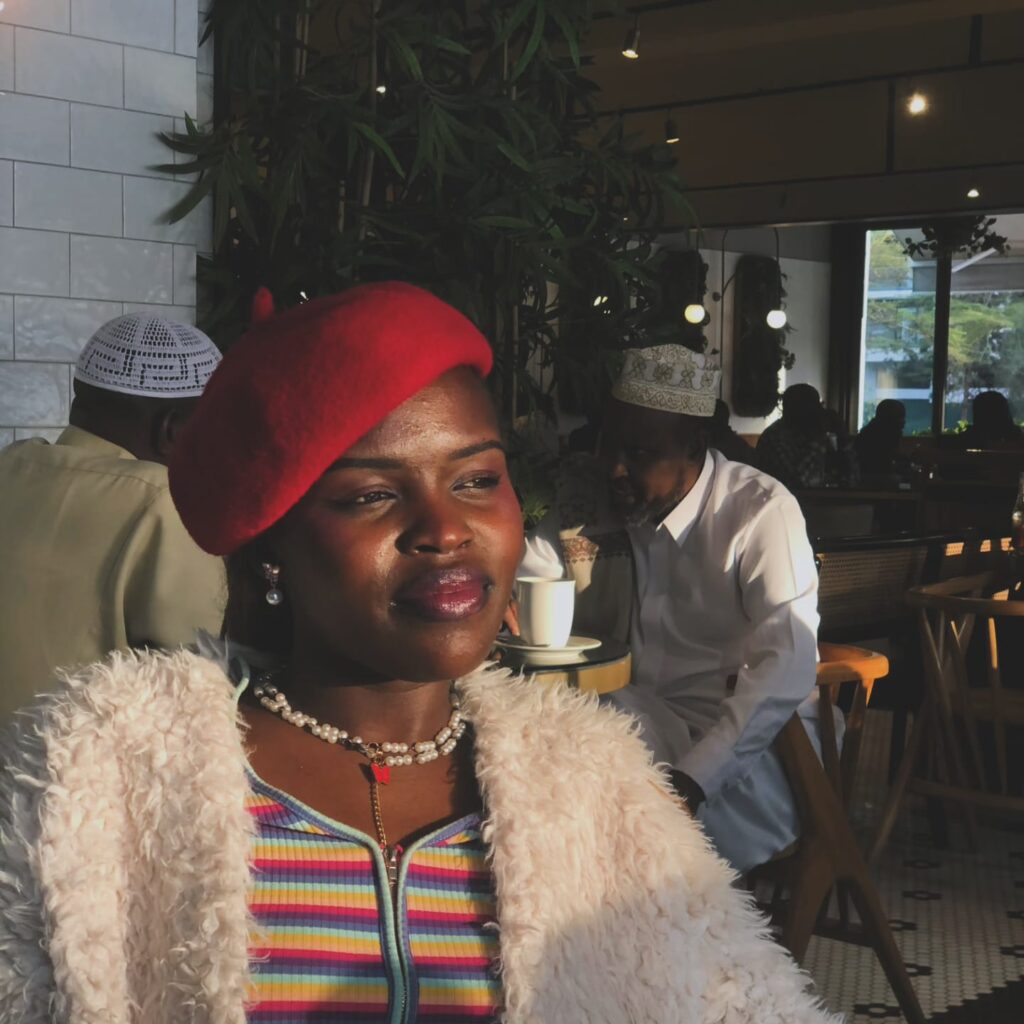
About the Author:
YVONNE MUMBI,
LAWYER,
FOUNDER, RAFICI.
Leave a Reply